A lack of understanding around company beliefs and how they impact pension scheme decisions could endanger the success of defined benefit (DB) endgame strategies, Hymans Robertson has warned.
The consultancy identified company beliefs as strongly held views by senior company decision makers that, by definition, cannot be proven to be right or wrong but can profoundly influence company decision making.
It explained that, as these beliefs shape company decision, it is “imperative” that they align with strategic pension choices, raising concerns that this is currently being neglected and could lead to an “unnecessary and damaging misunderstanding” between scheme sponsors and trustees.
Indeed, a poll undertaken by Hymans Robertson during a recent webinar revealed that only 12 per cent of respondents thought that their current pension strategy fully reflected company beliefs.
Hymans Robertson head of DB endgame strategy, Leonard Bowman, highlighted this as a "big concern" as companies need to understand why they are making their strategic pension decisions, arguing that "trustees need to understand this as well, even if they don’t share the same beliefs".
He explained: "When current strategies do not fully reflect companies’ beliefs, in the future when key joint company and trustee decisions are required there may be disagreement and challenge that could have been avoided by a better articulation at the outset of everyone’s views.
“This will only be compounded if the ongoing communication channels are not as effective as they could be, which is probably why we have also seen more than eight in 10 (82 per cent) of company respondents report that that they have encountered difficulties reaching consensus with their trustees on key issues.
“As endgame planning gathers pace for corporates, the level of understanding about this could be the single most important factor that decides whether the endgame strategies deliver what companies want."
In addition to this, Bowman suggested that effective company and trustee governance will be another "important element" in whether endgame strategies deliver what companies want.
"This can play a vital role in in delivering the chosen strategy and, in particular, ensuring there is regular and open dialogue between the company and the trustees, for example by the use of joint pension forums," he continued.
"Without this there is scope for misunderstanding and unnecessary disagreement between the company and trustees leading to inefficient strategic decisions, potentially leading to higher costs or worse member outcomes.
“Understanding ‘company beliefs’ and ensuring effective company/trustee communication are key issues if a company endgame strategy is to deliver. These kind of avoidable issues could lead to missed opportunities that disadvantage the company and scheme members.”



Latest News
-
OBR analysis reveals potential impact of salary sacrifice changes
-
Strong funding levels continue as endgame landscape reshaped by innovation
-
Harwich Haven Authority Pension Fund finalises £45m buy-in with Royal London
-
GAD publishes LGPS gender pension gap reporting guidance
-
DB scheme funding levels continue to improve heading into 2026
-
News in brief - 6 February 2026



Private markets – a growing presence within UK DC
Laura Blows discusses the role of private market investment within DC schemes with Aviva Director of Investments, Maiyuresh Rajah
The DB pension landscape
Pensions Age speaks to BlackRock managing director and head of its DB relationship management team, Andrew Reid, about the DB pensions landscape

Podcast: From pension pot to flexible income for life

Podcast: Who matters most in pensions?
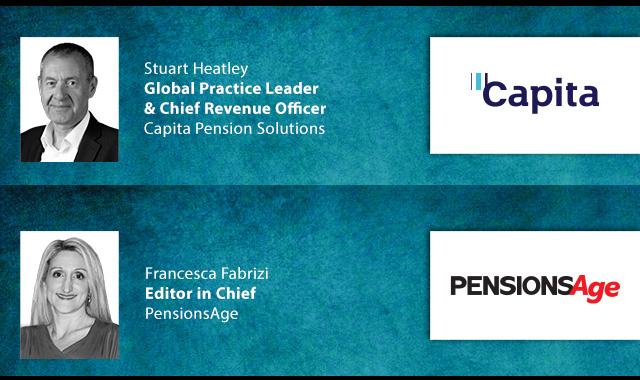
In the latest Pensions Age podcast, Francesca Fabrizi speaks to Capita Pension Solutions global practice leader & chief revenue officer, Stuart Heatley, about who matters most in pensions and how to best meet their needs


© 2019 Perspective Publishing Privacy & Cookies
Recent Stories