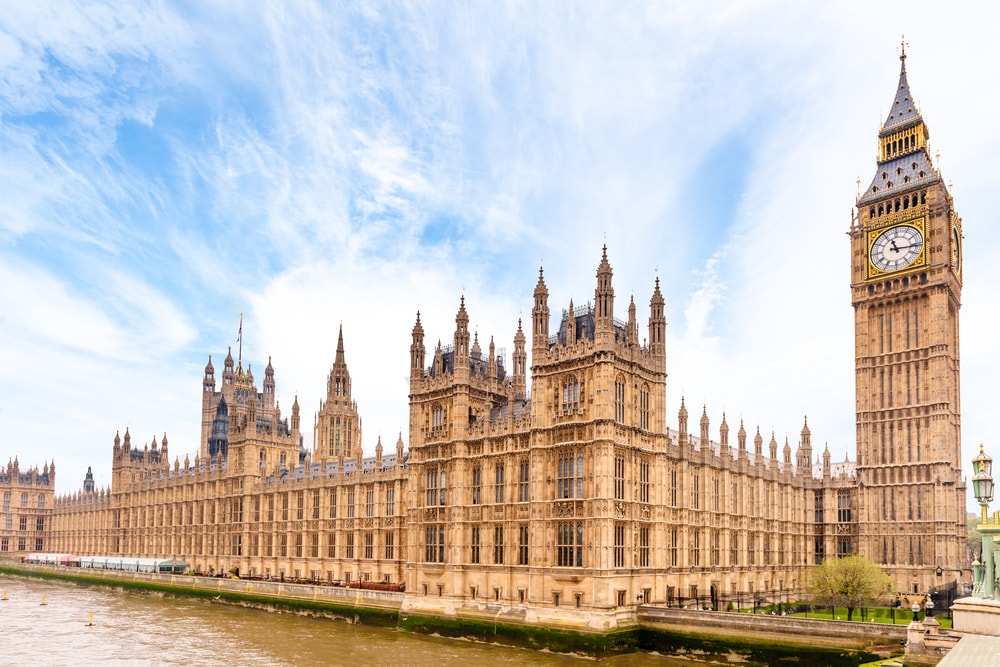
Pensions will be a key “political battleground” in the upcoming General Election on the 8 June 2017, according to those in the industry.
Prime Minister Theresa May announced her plan for a General Election yesterday, 18 April, which came as a surprise to many. The Election was confirmed today with a vote by MPs who voted in favour with 522 votes to 13 votes.
There is a multitude of pension policy issues that political parties will use to form key parts of their campaign pledges. These include the triple lock on the state pension, pensions tax relief, state pension age increases, auto-enrolment, defined benefit pension responsibilities as well as other peripheral issues such as pensioner benefits.
Commenting, Hargreaves Lansdown head of policy Tom McPhail said: “Ever since the NI Budget U-turn debacle, an early General Election has made increasing sense. The government needs a mandate to govern and if it lacks the legitimacy even to deliver on its centre-piece announcement of a rise in NI rates for the self-employed, then an Election in pursuit of a strengthened majority was the logical solution.
“There are myriad policy issues to watch out for in the weeks to come, not least campaign pledges around tax and NI policy. Labour look set to target the over 65s as a key part of their campaign strategy. Only last week they made several announcements on issues such as the Triple Lock and the Winter Fuel Allowance and we expect pensions to be an important political battleground.”
Broadstone technical director David Brooks noted that with the “pensions revolution” that has happened over the past five years, the political parties need to “set out their stall for the direction of these projects for the next four to five years”.
“How the parties address these pensions issues will have a major impact on all our lives and may well sway voters who are directly impacted by the outcome,” he said.
Aegon pensions director Steven Cameron believes the Election will reopen “contentious issues” such as the state pension triple lock, which had looked safe until 2020, the shelved increases in self-employed National Insurance and the unfortunate ‘will they, wont they’ debate on pensions tax relief reform.
“Whilst revisiting these policy areas may not be a vote-winner amongst pensioners, higher rate tax payers, or the self-employed, the opportunity exists for all parties to set out their stall on these key issues, creating much needed longer term stability," he said.
“We may also see a new set of economic concerns rising in voters’ minds. For example, pensioners on fixed incomes are particularly affected by the ongoing uptick in inflation we’ve seen since the decision to leave the EU. Some older voters may start asking questions about each of the parties’ plans to ensure it doesn’t surge much beyond current levels.”



Latest News
-
OBR analysis reveals potential impact of salary sacrifice changes
-
Strong funding levels continue as endgame landscape reshaped by innovation
-
Harwich Haven Authority Pension Fund finalises £45m buy-in with Royal London
-
GAD publishes LGPS gender pension gap reporting guidance
-
DB scheme funding levels continue to improve heading into 2026
-
News in brief - 6 February 2026


Private markets – a growing presence within UK DC
Laura Blows discusses the role of private market investment within DC schemes with Aviva Director of Investments, Maiyuresh Rajah
The DB pension landscape
Pensions Age speaks to BlackRock managing director and head of its DB relationship management team, Andrew Reid, about the DB pensions landscape

Podcast: From pension pot to flexible income for life
Podcast: Who matters most in pensions?

In the latest Pensions Age podcast, Francesca Fabrizi speaks to Capita Pension Solutions global practice leader & chief revenue officer, Stuart Heatley, about who matters most in pensions and how to best meet their needs


© 2019 Perspective Publishing Privacy & Cookies
Recent Stories