Less than half of private sector employees view pensions as the best way to save for their retirement, according to research carried out by the Chartered Institute of Personnel and Development (CIPD) and BlackRock.
The two organisations have also estimated from their studies that only 28 per cent of private sector employees know how much they should be saving for a comfortable retirement, and 56 per cent are concerned that they have not done enough for a sufficient retirement income.
Despite the fact that 61 per cent of those surveyed view retirement investing as a responsibility for the individual, less than half (48 per cent) of employees have reviewed their contribution levels within the last two years, despite being aware that they may not be saving enough. 47 per cent expect to have to work longer than anticipated five years ago.
"This research clearly shows that employees and employers alike are sleepwalking into a potential retirement disaster," commented Charles Cotton, CIPD chief reward adviser.
"Many employees are planning to rely on downsizing their home, family hand outs or government to support them in retirement, while many employers will face the prospect of trying to motivate an older workforce who are simply soldiering along because they cannot afford to retire."
Cotton added that while the responsibility for employee retirement no longer falls to employers, it makes sense for them to educate staff on the importance of saving into a pension scheme. "However, employers can't do this on their own. They need government support to help empower employees to make informed choices on the options available, he said."
Head of UK DC pensions at BlackRock, Steve Rumbles, added: "Pensions are too vital for anyone to consign them to the 'Too Difficult' pile. Worryingly, our research shows that many employees do just that, fearful of something they inadequately understand, which seems expensive, inflexible and is wrapped in jargon.
"The good news is that there are measures to deal with this, available now, or soon to be introduced. Employees can already use interactive online tools to gauge what they'll need in retirement, and what to save to achieve that."
Rumbles offered his support to the argument for early access to a pension, saying: "If an individual were permitted to take a loan from their pension pot, to be paid back with interest, pensions would become more flexible. They would also seem more flexible, an important psychological benefit for employees."
He said auto-enrolment, which begins to affect the UK pensions market in 2012, should help to overcome the barriers that prevent many employees taking advantage of a pension scheme.
"Auto-enrolment will serve an important need. The challenge we face is encouraging employees and some employers to accept the reality that the 'pay as you go' state pension system is not sustainable and therefore cannot be relied upon to fund retirement. Employers, providers and government must work together to ensure that generations to come understand that saving for retirement is not a desirable, but an essential." Rumbles concluded.


Latest News
-
Guided retirement likely to rely on 'partial information' about savers - PPI
-
HMRC launches consultation on GMP conversion tax changes
-
Over four in five pension transfer amber flags not linked to high-risk investments
-
TPR urged to consider more ambitious and member-centred approach to Corporate Strategy
-
Standard Life rebrands institutional investment platform
-
M&G to add PruFund range to Scottish Widows Platform




CDC in the UK pensions market
Pensions Age editor, Laura Blows, talks to Sophie Dapin, Director, Institutional Solutions EMEA at BlackRock, and host of BlackRock’s Rewiring Retirement podcast, about the growing interest in collective DC in the UK pensions market
Podcast: From pension pot to flexible income for life

Podcast: Who matters most in pensions?
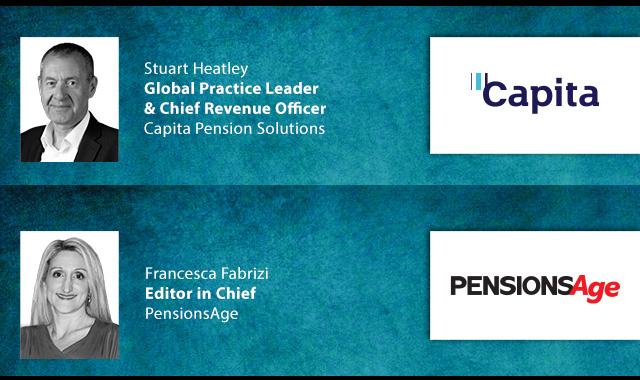
In the latest Pensions Age podcast, Francesca Fabrizi speaks to Capita Pension Solutions global practice leader & chief revenue officer, Stuart Heatley, about who matters most in pensions and how to best meet their needs




© 2019 Perspective Publishing Privacy & Cookies
Recent Stories